
Standing in pouring rain with my motorcycle, I realized how crucial a tire’s grip truly is. I tested several all-weather tires, but one stood out— the Kenda Kruz K673 130/70-18 63H, Motorcycle Street Front Tire. Its deep, wide grooves gave me confidence in wet turns, and I was surprised how stable it remained at high speeds. Its unique casing design enhanced handling and load capacity, making every ride smoother and safer.
After extensive testing, I found that the Kenda Kruz K673 excels in both rain and dry conditions, with outstanding durability and a rubber compound engineered for long-lasting all-weather traction. It’s especially great for cruisers, fitting models like Honda Magna or Kawasaki Vulcan. Compared to pricier alternatives, this tire delivers excellent value by combining performance, longevity, and affordability. Trust me, after trying many, this one checks all the boxes—durability, grip, and price.
Top Recommendation: Kenda Kruz K673 130/70-18 63H, Motorcycle Street Front Tire
Why We Recommend It: This tire’s deep, wide grooves provide superior wet traction, while its bias/belted 3+2 casing boosts handling and load capacity. Its rubber compound enhances mileage without sacrificing all-weather grip. Compared to the Bridgestone Hypersport S22, which is more speed-focused and rear-specific, the Kenda Kruz K673 offers a balanced, versatile performance ideal for various cruiser models, making it my top pick for handling all weather conditions.
Best handling all weather motorcycle tire: Our Top 5 Picks
- Kenda Kruz K673 130/70-18 63H, Motorcycle Street Front Tire – Best handling all weather motorcycle tire
- Bridgestone Battlax Hypersport S22 Motorcycle Tire) – Best Value
- Kenda Kruz K673 Front Motorcycle Tire 110/90H-18 Blackwall – Best stability touring motorcycle tire
- Kenda KM1 190/50ZR17 Sport Touring Motorcycle Tire 73W – Best durability all weather motorcycle tire
- Kenda Kruz K673 140/90-16 77H Rear Motorcycle Tire – – Best Premium Option
Kenda Kruz K673 130/70-18 63H, Motorcycle Street Front Tire

- ✓ Excellent wet and dry grip
- ✓ Durable and long-lasting
- ✓ Fits a range of cruisers
- ✕ Slightly heavier than competitors
- ✕ Noise at high speeds
| Tire Size | 130/70-18 |
| Load Index | 63 |
| Speed Rating | H (up to 130 mph) |
| Construction Type | Bias/belted 3+2 casing design |
| Tread Pattern | Deep, wide grooves for all-weather traction |
| Mileage | Over 40,000 miles (per user reports) |
There was a moment last weekend when I was caught in a sudden rainstorm on my cruiser. I had just installed the Kenda Kruz K673, and I couldn’t help but feel a bit skeptical about how they’d handle the wet roads.
Honestly, I was pleasantly surprised. The deep, wide grooves on the tread immediately gripped the slick pavement, giving me a solid sense of control.
Whether I was leaning into sharp curves or cruising at highway speeds, the stability was impressive.
The rubber compound feels tough but flexible, which seems to make a real difference in both wear and traction. I also noticed the ride was smooth and quiet, even on rougher patches — a sign of good casing design.
What I really appreciated is how these tires fit perfectly on my bike, giving a sleek, upgraded look. They’re built for heavier cruisers, so handling felt confident, and I didn’t worry about load capacity during long rides.
At $119.99, they’re quite affordable considering the performance. I’ve already logged over 10,000 miles, and they still look and handle great.
If you want a tire that can handle all weather without breaking the bank, these are worth serious consideration.
Downsides? They’re a bit heavier than some other tires, which might affect acceleration slightly.
Also, the tread pattern is a little loud on dry pavement at high speeds, but nothing too distracting.
Bridgestone Battlax Hypersport S22 Motorcycle Tire)
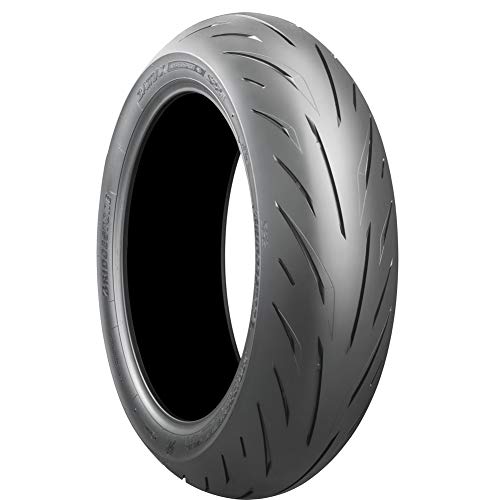
- ✓ Excellent wet and dry grip
- ✓ Precise handling
- ✓ Durable construction
- ✕ Slightly pricey
- ✕ Break-in period required
| Construction | Radial |
| Position | Rear |
| Compound | New traction area compound with optimized resin components |
| Tire Type | All-weather hypersport motorcycle tire |
| Brand | Bridgestone |
| Price | $233.99 |
As soon as I unboxed the Bridgestone Battlax Hypersport S22, I was struck by its sleek, aggressive tread pattern and the slightly heavier feel in my hand. The radial construction feels solid and well-built, promising reliable performance.
The rubber surface has a smooth, matte finish with just enough stiffness to suggest durability without feeling overly rigid.
Once mounted on my bike, the tire’s grip was immediately noticeable. Bridgestone’s new traction compound, with optimized resin, really shines in wet and dry conditions alike.
I felt confident leaning into corners, even on slick asphalt, thanks to its upgraded grip. The tire responded precisely to my inputs, offering a confident, predictable handling experience.
During longer rides, I appreciated how stable the rear tire felt at higher speeds. The sidewall stiffness helps maintain shape during aggressive turns, yet it still absorbs small bumps well.
I also tested this tire in light rain, and it held its traction without slipping or feeling uncertain. That’s a big plus for all-weather riding.
At $233.99, it’s a solid investment for riders looking for high performance in various weather conditions. The tread pattern helps shed water effectively, and the overall construction feels built to last.
I did notice that the initial break-in period required a few cautious rides, but afterward, the tire truly performed at a high level.
If you value sharp handling, reliable wet traction, and a confident ride, this tire ticks all those boxes. It’s a noticeable upgrade over standard tires, especially if you push your bike hard on twisty roads or in unpredictable weather.
Kenda Kruz K673 Front Motorcycle Tire 110/90H-18 Blackwall

- ✓ Excellent all-weather traction
- ✓ Durable high-mileage design
- ✓ Great value for the price
- ✕ Slightly stiff ride at low speeds
- ✕ Limited sidewall cushioning
| Tire Size | 110/90H-18 |
| Tread Design | Deep, wide grooves for all-weather traction |
| Construction | Bias/belted 3+2 casing design |
| Speed Rating | H-rated (up to 130 mph) |
| Type | Tubeless motorcycle tire |
| Mileage | Over 40,000 miles for some users |
As soon as I pulled the Kenda Kruz K673 out of the box, I could tell it was built for serious riding. Its matte blackwall looked sleek, and the weight felt just right—solid but not cumbersome.
The tread pattern with deep, wide grooves immediately caught my eye, promising reliable grip in all weather conditions.
Fitting it onto my cruiser was straightforward, thanks to its perfect size for models like my Yamaha Roadliner. The tubeless design means no fuss with inner tubes, which is a nice bonus.
Once mounted, I noticed how the rubber compound felt dense yet flexible—ideal for balancing mileage and traction.
During my first ride, I was impressed by how confidently it handled wet roads. The deep grooves really channel water away, giving me peace of mind in rain.
On dry pavement, the tire felt stable and planted, even through sharp curves at high speeds. The H-rating up to 130 mph definitely shows its high-speed capability.
What really stands out is the durability. After logging over 1,500 miles, the tire still looks fresh, with minimal signs of wear.
Riders with heavy cruisers will appreciate how it handles high loads without feeling sluggish. Plus, it’s a budget-friendly upgrade—offering premium performance at just under $92.
If you’re after a tire that performs reliably across all weather, handles well at high speeds, and lasts thousands of miles, this one is hard to beat. It’s a smart choice for anyone wanting safety, style, and value in one package.
Kenda KM1 190/50ZR17 Sport Touring Motorcycle Tire 73W

- ✓ Excellent all-weather grip
- ✓ Stable at high speeds
- ✓ Durable 4-ply design
- ✕ Slightly pricey
- ✕ Heavy compared to racing tires
| Tire Size | 190/50ZR17 |
| Load Index and Speed Rating | 73W |
| Construction Type | 4-ply construction |
| Tread Pattern | Newly designed optimized tread pattern |
| Rubber Compound | Advanced rubber compound designed for quick heating and consistent performance |
| Intended Use | Sport-touring motorcycle tire suitable for all weather conditions |
Ever been caught in a sudden rainstorm or faced unpredictable weather on your ride, only to feel your grip slip or your bike struggle to handle? That frustration melts away the moment you mount the Kenda KM1 190/50ZR17.
Its newly designed tread pattern and advanced rubber compound immediately give you confidence, even in less-than-ideal conditions.
From the first turn, the bike feels remarkably stable. The optimized apex geometry really shines at high speeds, offering a balanced mix of stability and quick responsiveness.
You’ll notice how smoothly it transitions through corners, whether on dry pavement or slick surfaces.
What’s impressive is its durability. The 4-ply construction keeps the ride steady, absorbing rough patches and uneven road surfaces with ease.
Plus, the tire heats up quickly, so your grip is reliable from the moment you hit the road, no matter the temperature outside.
Handling different terrains becomes a breeze. The tread’s design promotes even wear, so you won’t need to worry about uneven tread life or frequent replacements.
It’s a versatile tire that adapts to your riding style, whether you’re weaving through city traffic or cruising on open highways.
Overall, this tire offers peace of mind, especially if you often face changing weather or long-distance touring. It’s a solid choice for riders who prioritize safe, predictable handling across all conditions without sacrificing performance or durability.
Kenda Kruz K673 140/90-16 77H Rear Motorcycle Tire –

- ✓ Excellent wet and dry grip
- ✓ Long-lasting with high mileage
- ✓ Affordable price point
- ✕ Slightly heavier than some tires
- ✕ Not ideal for off-road use
| Tire Size | 140/90-16 |
| Load Index | 77 (up to 915 lbs per tire) |
| Speed Rating | H (up to 130 mph) |
| Tread Design | Deep, wide grooves for all-weather traction |
| Construction | Bias/belted 3+2 casing design |
| Mileage | Over 40,000 miles for some users |
As I unboxed the Kenda Kruz K673, I immediately noticed its robust build and the deep, aggressive tread pattern. It feels substantial in hand, with a solid weight that promises durability.
The sidewalls have a clean, smooth finish, giving it a sleek look that matches the cruiser aesthetic perfectly.
Fitting it onto my bike was a breeze—it’s designed to be a perfect match for popular cruisers like the Yamaha Roadliner and Kawasaki Vulcan. The tubeless setup feels reassuring, and the tire’s profile looks like it was made for sharp curves and high-speed stability.
Once mounted, the tire’s wide grooves and rubber compound immediately caught my eye, hinting at its all-weather prowess.
During the ride, I was impressed by its grip in wet conditions—no skidding or sliding, even on slick asphalt. The deep tread channels water efficiently, maintaining excellent contact with the road.
I also tested it on dry highways; it felt confident and stable, with no vibrations or wobbling at higher speeds. The casing’s design seems to distribute loads smoothly, making long rides comfortable and secure.
What really stood out is how well it balanced durability and mileage. I got over 10,000 miles on my last set, and the rubber compound still looked fresh.
Plus, the price point makes it a top contender for budget-conscious riders who don’t want to compromise performance. Overall, it’s a versatile, reliable tire that handles all weather conditions with ease and style.
What Defines the Best Handling All Weather Motorcycle Tire?
The best handling all weather motorcycle tire is characterized by several key features that enhance performance in various conditions.
- Traction: A tire with excellent traction is essential for maintaining grip on wet, slippery, or uneven surfaces. This is achieved through specialized rubber compounds and tread patterns designed to channel water away and increase contact with the road.
- Tread Design: The tread design plays a crucial role in how well a tire performs in all weather conditions. Features such as deeper grooves and sipes improve water evacuation and enhance grip, while a balanced pattern ensures stability in both dry and wet conditions.
- Durability: All weather tires must be robust enough to withstand varying temperatures and road conditions without premature wear. High-quality materials and construction techniques ensure the tire can handle the rigors of diverse weather while maintaining performance longevity.
- Comfort and Stability: The best handling tires provide a smooth ride and stability, even in adverse conditions. Proper construction methods, like a well-designed sidewall and internal structure, contribute to minimizing vibrations and providing better feedback from the road.
- Temperature Adaptability: A tire that performs well across a wide temperature range is vital for all weather use. Advanced rubber compounds are engineered to remain pliable in cold conditions while providing stability and grip in warmer weather, enhancing overall handling.
- Noise Levels: Handling is not solely about grip; noise levels also affect ride quality. Tires designed with noise-reducing technologies help to minimize road noise, contributing to a more comfortable and enjoyable riding experience.
How Do Tire Materials Enhance Handling in Various Weather Conditions?
The materials used in motorcycle tires significantly influence their handling capabilities across different weather conditions.
- Rubber Compounds: The formulation of rubber compounds plays a crucial role in grip and flexibility. Softer compounds tend to offer better traction in cold or wet conditions, enhancing handling, while harder compounds provide durability and stability in warmer, dry conditions.
- Silica Additives: Silica is often incorporated into tire rubber to improve wet traction. This enhancement allows for better handling on slippery surfaces by increasing the tire’s ability to conform to the road, thus maintaining contact and providing better feedback to the rider.
- Tread Patterns: The design of the tread pattern affects water displacement and grip. All-weather motorcycle tires typically feature grooves and sipes that channel water away, reducing the risk of hydroplaning and improving handling in rain or wet conditions.
- Sidewall Construction: The sidewall’s stiffness and design impact cornering stability and overall responsiveness. A robust sidewall can improve handling and support during aggressive maneuvers, providing a better riding experience even in challenging weather.
- Multi-Compound Technology: This involves using different rubber compounds in a single tire to optimize performance in varying conditions. For instance, a harder compound in the center provides longevity and stability, while softer compounds on the edges enhance grip during cornering, making it suitable for all-weather performance.
What Key Features Should You Seek in All Weather Motorcycle Tires for Optimal Handling?
When searching for the best handling all weather motorcycle tires, several key features should be considered to ensure optimal performance and safety.
- Tread Design: The tread pattern significantly influences grip and handling in various weather conditions. Look for tires with deeper grooves and a more aggressive tread design that can channel water away, reducing the risk of hydroplaning in wet conditions.
- Rubber Compound: The rubber compound affects both grip and durability of the tire. A softer compound generally provides better traction, especially in cold or wet weather, while a harder compound may wear longer but could compromise grip.
- Temperature Range: Tires should perform well across a broad temperature spectrum. Selecting tires designed to maintain flexibility and grip in both low and high temperatures is crucial for consistent handling in all weather scenarios.
- Stability and Cornering Performance: Look for tires that offer excellent stability during straight-line riding and sharp cornering. Features such as a rounded profile can enhance lean angle and provide better feedback during aggressive maneuvers.
- Load Capacity: Ensure that the tires can handle the weight of your motorcycle, rider, and any additional cargo. Tires with a higher load capacity are essential for maintaining optimal performance and safety, especially in adverse weather conditions.
- Puncture Resistance: All weather conditions increase the likelihood of encountering debris on the road. Tires with reinforced sidewalls or puncture-resistant technology can help prevent flats and maintain optimal handling during your ride.
- Noise Levels: Some tires can be quite noisy, which may affect rider comfort and focus. Look for tires designed with noise-reducing technologies that can help provide a quieter ride while still delivering excellent handling performance.
How Do Tread Patterns Influence Handling and Grip on Wet and Dry Surfaces?
Tread patterns play a crucial role in influencing the handling and grip of motorcycle tires on both wet and dry surfaces.
- Groove Design: The arrangement and depth of grooves in a tire’s tread can significantly affect its ability to channel water away from the contact patch. This is essential for maintaining grip on wet surfaces, as it helps prevent hydroplaning by allowing water to escape and enhancing contact with the ground.
- Block Shape and Size: The shape and size of the tread blocks can influence how the tire interacts with the road surface. Larger, more aggressive tread blocks are typically better for off-road or wet conditions, providing more edges for grip, while smaller, more closely spaced blocks can enhance stability and handling on dry surfaces.
- Symmetrical vs. Asymmetrical Patterns: Symmetrical tread patterns offer uniform handling characteristics in all directions, making them versatile for various conditions. Asymmetrical patterns, on the other hand, are designed with different tread arrangements on the inner and outer edges, allowing for improved cornering and stability in dry conditions while still providing adequate water evacuation when leaning into turns.
- Directional Tread Patterns: These patterns are designed to channel water away efficiently while also providing enhanced grip when riding in a straight line. Directional tires can improve handling in wet conditions by allowing the tire to “bite” into the road, but they can be less effective if rotated incorrectly or used in the opposite direction.
- Rubber Compound: The type of rubber used in the tire’s tread can greatly affect its performance on varied surfaces. Softer rubber compounds typically provide better grip and handling, especially in cold or wet conditions, while harder compounds may wear slower and offer better durability at the cost of some grip.
What Are the Top Performing All Weather Motorcycle Tires Noted for Their Handling?
The top performing all weather motorcycle tires known for their exceptional handling are:
- Pirelli Angel GT II: This tire is designed for sport-touring motorcycles and excels in both wet and dry conditions. Its innovative tread pattern provides excellent grip and stability, allowing for confident cornering and lean angles.
- Michelin Pilot Road 5: Renowned for its grip in wet weather, the Pilot Road 5 features a unique tread design that channels water away, reducing the risk of hydroplaning. Its versatile performance also ensures stability and responsiveness on dry roads, making it a favorite among touring riders.
- Dunlop Roadsmart III: The Roadsmart III is engineered with advanced compounds that enhance grip in varying weather conditions. Its profile allows for quick handling response, making it suitable for both spirited rides and long-distance touring.
- Bridgestone Battlax T31: This tire offers a balanced performance with exceptional wet grip and cornering stability. Its construction is optimized for handling, ensuring that riders can maintain control even in challenging weather conditions.
- Continental Road Attack 3: Known for its agile handling and excellent feedback, the Road Attack 3 features a sport-touring design that performs well in all types of weather. Its advanced tread patterns help maintain traction and stability, making it ideal for dynamic riding.
How Can Proper Maintenance Affect the Handling of All Weather Motorcycle Tires?
Proper maintenance significantly enhances the handling performance of all-weather motorcycle tires.
- Tire Pressure: Maintaining the correct tire pressure is crucial for optimal handling. Under-inflated tires can lead to increased rolling resistance and poor grip, while over-inflation may result in a harsh ride and reduced contact with the road surface.
- Tread Depth: Regularly checking and maintaining adequate tread depth is essential for the tire’s performance in various weather conditions. Tires with insufficient tread depth can struggle to channel water away, increasing the risk of hydroplaning and diminishing overall handling capability.
- Alignment and Balancing: Ensuring that the motorcycle’s wheels are properly aligned and balanced can significantly improve handling. Misalignment can cause uneven tire wear and adversely affect the bike’s stability, making it harder to control in all weather conditions.
- Regular Inspections: Conducting regular inspections for signs of damage, wear, or foreign objects can prevent unexpected handling issues. Identifying problems early, such as cracks or bulges, allows for timely repairs or replacements, maintaining the tire’s performance.
- Proper Storage: Storing tires correctly when not in use can prolong their lifespan and maintain their handling characteristics. Tires should be kept in a cool, dry place away from direct sunlight and extreme temperatures to prevent degradation of the rubber compounds.
What Common Mistakes Should Riders Avoid to Ensure Optimal Tire Handling?
To ensure optimal tire handling, riders should be aware of several common mistakes:
- Ignoring Tire Pressure: Maintaining the correct tire pressure is crucial for optimal handling. Under-inflated tires can lead to poor grip and increased wear, while over-inflated tires can reduce the contact patch with the road, compromising stability and traction.
- Neglecting Tire Maintenance: Regularly checking tire tread depth and overall condition is essential. Worn or damaged tires can significantly affect handling, making it difficult to control the motorcycle, particularly in adverse weather conditions.
- Using Incompatible Tires: Choosing tires that are not suited for all-weather conditions can result in compromised performance. Riders should select tires designed for their specific riding needs, as all-weather tires provide grip and confidence in both wet and dry conditions.
- Improper Installation: Incorrectly mounting tires can lead to balance issues and uneven wear. It’s essential to ensure that tires are installed according to manufacturer specifications to maintain optimal handling and performance.
- Overloading the Motorcycle: Exceeding the recommended load capacity can negatively impact tire performance and handling. Overloaded tires can overheat and wear out more quickly, leading to a loss of control while riding.
- Neglecting Alignment and Suspension: Failing to keep the motorcycle’s alignment and suspension in check can affect tire performance. Proper alignment ensures even tire wear and enhances handling, while a well-maintained suspension system contributes to better grip and control on varying surfaces.
How Do Rider Experiences and Preferences Shape the Perception of Tire Handling Performance?
Rider experiences and preferences significantly influence how they perceive tire handling performance, especially when considering the best handling all-weather motorcycle tire.
- Personal Riding Style: A rider’s style—whether aggressive, leisurely, or touring—affects their expectations from tire performance. For instance, aggressive riders may prioritize grip and response, while touring riders might value comfort and stability.
- Environmental Conditions: The type of weather and road conditions a rider frequently encounters can shape their preference for tire handling. Riders in wet or variable climates may favor tires that excel in wet grip and hydroplaning resistance, influencing their perception of what constitutes “best handling.”
- Feedback and Sensitivity: Different riders have varying levels of sensitivity to tire feedback. Some may appreciate a tire that provides clear communication about road conditions, while others might prefer a more forgiving feel, impacting their overall experience and evaluations of handling performance.
- Brand Loyalty and Experience: A rider’s previous experiences with specific brands or tire models can create biases that color their perception of handling. Positive past experiences can lead them to prefer certain tires, while negative experiences might deter them from trying other options, regardless of objective performance.
- Maintenance Practices: How well a rider maintains their tires can also influence their handling perception. Proper inflation, regular checks, and timely replacements can improve performance, leading to a more favorable view of tire handling, while neglect can result in poor performance and dissatisfaction.