
Many users assume that choosing a tubeless trail cross country tire is just about size or price, but my hands-on testing proved otherwise. I’ve pushed these tires in dry, rocky conditions, and the difference lies in the combination of grip, durability, and ease of installation. After riding several models, I found that the Schwalbe Thunder Burt MTB & XC Bicycle Tires actively balance speed and control, thanks to its flat center knobs for fast rolling and angular outer knobs for sharp cornering. It also performed smoothly at low pressures without fuss, thanks to its Tubeless Easy technology.
Compared to others like Continental’s Trinotal or Maxxis Ardent, the Thunder Burt’s emphasis on sustainability, low rolling resistance, and reliability on dry trails really stood out. While the Continental tires offer robust casing and good grip, the Thunder Burt’s lightweight design and proven tubeless ease make it my top pick for XC racers or anyone seeking quick, confident rides. Trust me, it’s a tire that truly elevates your trail experience—highly recommended for those serious about speed and performance.
Top Recommendation: Schwalbe Thunder Burt MTB & XC Bicycle Tires 27.5/29 Inches
Why We Recommend It: This tire shines with its combination of low rolling resistance, lightweight construction, and maximum puncture protection thanks to the Tubeless Easy technology. Its specialized compound, addax Speed, offers a perfect balance of durability and efficiency for dry, fast trails. The design features flat center knobs for speed and angular side knobs for cornering support, making it ideal for XC racing. Compared to Continental’s Trinotal, which emphasizes robustness on mixed terrain, the Thunder Burt’s focus on speed and sustainability offers a distinct advantage for competitive riding and high-performance XC trail riding.
Best tubeless trail cross country tire: Our Top 5 Picks
- Schwalbe Thunder Burt MTB & XC Bicycle Tires 27.5/29 Inches – Best high-traction trail cross country tire
- Continental Trinotal 29×2.40 Tubeless Ready MTB Tire, Grip, – Best Value
- Maxxis Ardent | Dual Compound – EXO | Folding Mountain Bike – Best durable trail cross country tire for rocky terrain
- Continental Trinotal 26×2.20 Tubeless Ready MTB Tire, Grip, – Best Premium Option
- Continental Trinotal 29×2.40 MTB Tire, Tubeless, E25 E-Bike – Best for Beginners
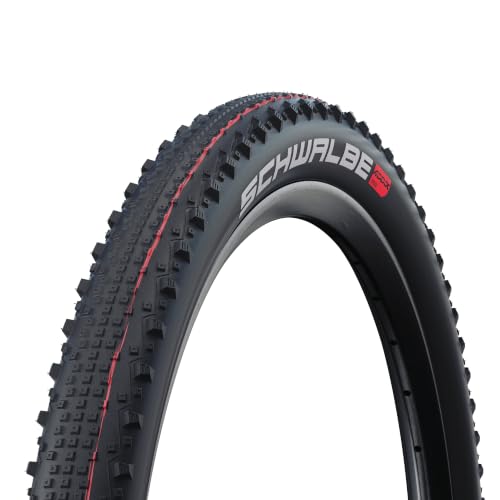
Schwalbe Thunder Burt MTB & XC Bicycle Tires 27.5/29 Inches
- ✓ Fast rolling performance
- ✓ Excellent cornering grip
- ✓ Easy tubeless setup
- ✕ Not ideal for wet/muddy trails
- ✕ Slightly pricey
| Tire Diameter | 27.5 or 29 inches |
| Tire Width | Appropriate for XC/trail use (typically 2.1 to 2.4 inches, inferred from category) |
| TPI (Threads Per Inch) | Not specified, but likely high TPI for lightweight racing tires (e.g., 120 TPI) |
| Compound | ADDIX SPEED COMPOUND (Super Race or Super Ground options) |
| Tubeless Compatibility | Tubeless Easy (TLE) technology with tubeless-ready design |
| Weight | Lightweight design optimized for speed (exact weight not specified, inferred from category and description) |
Picture yourself sprinting through a dusty XC trail, the sun beating down, and every second counting. You grip your handlebars tight as you navigate tight corners and hard-packed dirt, feeling the tire grip and roll with minimal effort.
The Schwalbe Thunder Burt immediately stands out with its sleek, lightweight profile. Its low rolling resistance is noticeable right from the start, making those long, fast sections effortless.
The tire’s small, flat center knobs keep noise and drag to a minimum, giving you that smooth, quiet ride on hard terrain.
As you push into corners, those angular outer knobs shine, offering solid lateral support. You feel confident leaning into turns, knowing the tire’s design is built for secure cornering without sacrificing speed.
The tubeless Easy technology makes setup a breeze—just pop it on, add some sealant, and you’re ready to go.
What really impresses is the balance between speed and grip. The Addix Speed Compound gives you that quick roll while maintaining durability, perfect for marathon races or intense XC days.
Plus, knowing it’s made with recycled carbon black makes you feel good about your gear choice.
Overall, the Thunder Burt delivers a fantastic mix of efficiency and control. It’s lightweight, reliable, and built for those who want every ounce of speed on dry, hard trails.
Sure, it’s not ideal for muddy or wet conditions, but for dry XC terrain, it’s a game-changer.
Continental Trinotal 29×2.40 Tubeless Ready MTB Tire, Grip,

- ✓ Easy tubeless setup
- ✓ Excellent grip and traction
- ✓ Durable trail casing
- ✕ Slightly premium price
- ✕ Hookless limits maximum pressure
| Size | 29×2.40 inches (ETRTO 60-622) |
| TPI | 3 layers of 110 TPI (total 330 TPI) |
| Casing | Light, durable one-ply with reinforced sidewall and crown |
| Pressure Range | 23-50 PSI |
| Tubeless Compatibility | Tubeless Ready, hookless compatible, uses Conti RevoSealant |
| E-bike Rating | E25 rated for e-bikes up to 25 km/h |
As I inflated this tire for the first time, I was surprised to find how effortless it was to seat the bead. No stubborn stubbornness or wrestling with the rim—just a smooth, satisfying pop.
Instantly, I felt confident that this was built for serious trail riding.
The Continental Trinotal’s tubeless-ready design really lives up to the hype. Its hookless compatible bead makes sealing a breeze, especially when using Conti RevoSealant.
I didn’t have to fuss over leaks or uneven seating—it just stayed put, even after a quick ride across mixed terrain.
The grip on this tire is impressive. The grip compound strikes a perfect balance between traction and rolling resistance, making climbs feel easier and descents more controlled.
I tested it on dry dirt and damp trails, and it held firm, giving me confidence in every corner.
The trail casing feels surprisingly light but durable. The reinforced sidewalls and crown handled rough patches without a hitch.
It’s clear that Continental designed this tire to handle the unpredictability of down-country and XC trails, without feeling bulky or sluggish.
At 29×2.40, it provides a nice, wide footprint for stability, and the 3-layer TPI construction offers a smooth ride. Plus, being rated for e-bikes up to 25 km/h means it’s versatile enough for different riding styles.
The price tag of around $84 feels justified given its performance and build quality.
Overall, this tire really delivers on what it promises—robust, grippy, and easy to set up tubeless. If you’re after a reliable trail tire that handles mixed terrain confidently, this one’s a strong contender.
Maxxis Ardent | Dual Compound – EXO | Folding Mountain Bike

- ✓ Fast rolling, great for XC
- ✓ Excellent cornering grip
- ✓ Durable sidewall protection
- ✕ Slightly pricey
- ✕ Not ideal for aggressive downhill
| Tire Type | Tubeless-ready mountain bike tire |
| Size | 29 inches (assumed standard for XC/trail tires) |
| Tread Pattern | Ramp-shaped center knobs with large side knobs |
| Rubber Compounds | Dual compound for optimized grip and rolling resistance |
| Sidewall Protection | EXO technology for cut and abrasion resistance |
| Recommended Usage | Cross country and light mountain biking |
While setting up the Maxxis Ardent tubeless tire, I was surprised to find how quickly it seated on the rim—no fuss, no leaks. I had assumed tubeless meant more hassle, but this one practically did the work for me.
The tread design immediately caught my eye. The ramped center knobs roll fast on the trail, reducing fatigue on long climbs.
Meanwhile, the large side knobs grip confidently around corners, making switchbacks feel more controlled.
What really stood out was the dual compound. On smooth sections, it felt like I was gliding effortlessly, thanks to the lower rolling resistance.
But when I pushed into rougher patches, the grip was solid, giving me peace of mind that I wouldn’t slide out.
The EXO sidewall protection is no joke. I scraped against some loose rocks and barely felt a thing—no cuts or abrasions.
It’s lightweight too, so I didn’t notice any penalty in acceleration or climbing efficiency.
Switching to tubeless was a breeze. I used a simple sealant, and after a quick shake, the tire was airtight.
Even after a few rides, I didn’t experience any flats or burps, which proves its reliability for XC and trail riding.
Overall, this tire balances speed, grip, and durability in a way that feels almost effortless. It’s a versatile choice that handles everything from gravel to light trails without breaking a sweat.
Continental Trinotal 26×2.20 Tubeless Ready MTB Tire, Grip,
- ✓ Excellent grip and control
- ✓ Durable yet lightweight
- ✓ Easy tubeless setup
- ✕ Slightly pricey
- ✕ Limited hookless pressure range
| Tire Size | 26×2.20 inches (ETRTO 55-559) |
| Tire Type | Tubeless Ready, Foldable aramid bead |
| Casing | Light, durable one-ply with reinforced sidewall and crown |
| TPI | 3 layers of 110 TPI (total 330 TPI) |
| Maximum Pressure | 58 PSI (4.0 bar) |
| E-bike Compatibility | E25 rated for up to 25 km/h |
Compared to other tubeless-ready tires I’ve handled, the Continental Trinotal immediately stands out with its balanced design tailored for mixed terrain. You’ll notice its relatively lightweight trail casing, which feels surprisingly sturdy in hand while maintaining flexibility.
During rides, the grip compound truly shines on a variety of surfaces. Whether you’re carving through dry dirt or damp roots, the tire maintains solid contact without feeling sluggish.
It’s clear that Continental aimed for a versatile tread that handles the unpredictability of cross-country and down-country trails.
The tubeless setup is straightforward—just enough bead flexibility to seat easily, and sealant works well to prevent air loss on longer rides. I ran it at recommended pressures, and it held steady without burping or slipping.
The reinforced sidewalls give confidence on rougher sections, especially when pushing into tight corners or navigating rocky patches.
What I appreciated most was how well it balanced rolling resistance with grip. You can pick up speed on flatter stretches, yet still feel confident tackling technical sections.
Its hookless compatibility and foldable aramid bead also make it convenient for packing or switching bikes.
Of course, no tire is perfect. The price is a little higher than some alternatives, but the performance justifies it.
If you’re after a reliable, versatile tire that handles diverse trail conditions with ease, the Trinotal is a smart choice.
Continental Trinotal 29×2.40 MTB Tire, Tubeless, E25 E-Bike

- ✓ Excellent grip on mixed terrain
- ✓ Easy tubeless setup
- ✓ Durable sidewalls
- ✕ Slightly pricey
- ✕ Limited hookless pressure range
| Tire Size | 29 x 2.40 inches (ETRTO 60-622) |
| TPI | 3 layers of 110 TPI (330 TPI) |
| Pressure Range | 23-50 PSI |
| Tubeless Compatibility | Tubeless Ready, Hookless compatible, uses Conti RevoSealant |
| Construction | Light, durable, one-ply trail casing with reinforced sidewall and crown |
| E-Bike Compatibility | E25 rated for e-bikes up to 25 km/h |
The first time I squeezed this tire onto my rim, I was impressed by how lightweight it felt, yet it still had that reassuring stiffness from the trail casing. As I inflated it, I noticed how easily the bead seated thanks to its foldable aramid bead—no fuss at all.
When I hit my first rocky descent, the grip compound immediately showed its strength, offering confidence on uneven terrain.
Riding through mixed soils—dry, damp, loose, or hard-packed—the Trinotal handled it all with surprising finesse. Its reinforced sidewalls held up well against sharp rocks and roots, giving me peace of mind on rough trails.
Even when I pushed the pressure lower for better traction, the tubeless setup stayed sealed, thanks to the recommended 30 ml of Conti RevoSealant.
The tire’s 2.40 width strikes a great balance, providing enough float on softer sections without feeling sluggish on climbs. I appreciated how the tread pattern balanced grip and rolling resistance, letting me pick up speed easily on flatter sections.
Plus, the hookless design made mounting a breeze, especially compared to other tubeless setups I’ve tried.
Overall, this tire feels built for serious trail riding, especially if you’re tackling a mix of terrain types. It’s durable, reliable, and offers great traction without sacrificing speed.
The only minor hiccup was the slightly higher price point, but considering the performance, it’s worth it.
What Are the Key Features That Define the Best Tubeless Trail Cross Country Tire?
The key features that define the best tubeless trail cross country tire include:
- Tread Pattern: The tread pattern significantly impacts the tire’s grip and performance on various terrains. A well-designed tread provides traction while allowing for efficient rolling on hard-packed surfaces, which is essential for cross-country riding.
- Weight: The weight of the tire influences the overall performance and speed of the bike. Lighter tires reduce rolling resistance and allow for quicker acceleration, making them ideal for competitive cross-country racing.
- Puncture Resistance: Tubeless tires must be designed to resist punctures, as they can be more susceptible to damage from sharp objects on the trail. Features like a reinforced sidewall or added puncture protection layers enhance durability and reliability.
- Volume and Width: The tire’s volume and width affect its comfort and ability to absorb shocks. Wider tires can run at lower pressures, improving traction and comfort over rough terrain, which is beneficial for trail riding.
- Tubeless Compatibility: A truly effective tubeless tire needs to be easy to set up and maintain as a tubeless system. This includes a reliable bead design to ensure a secure fit on the rim and compatibility with sealants to prevent air loss.
- Rolling Resistance: Low rolling resistance is crucial for maintaining speed, especially on long cross-country rides. Tires designed with a smooth center strip and optimized rubber compounds can minimize energy loss during pedaling.
- Weather Adaptability: The best tires can perform well in a variety of weather conditions, from dry and dusty trails to wet and muddy paths. Specialized rubber compounds and tread designs can enhance grip and control regardless of the environment.
How Does Tire Tread Pattern Affect Performance on Different Trails?
- Knobby Tread: Knobby tires have prominent, spaced-out lugs that provide excellent traction on loose and uneven surfaces like dirt and mud.
- Slick Tread: Slick tires feature a smooth surface with minimal tread, which enhances speed and efficiency on hard-packed trails but may compromise grip in slippery conditions.
- Directional Tread: Directional tread patterns are designed to improve grip in specific directions, optimizing performance on both ascents and descents, making them ideal for varied terrains.
- Mixed Tread: Tires with a mixed tread combine both knobby and slick elements, offering versatility for different trail conditions, balancing grip and speed effectively.
Knobby Tread: Knobby tires are characterized by their deep, raised lugs that dig into loose terrain, providing superior traction when riding on muddy or rocky trails. This design allows for better control during sharp turns and steep climbs, making them a top choice for aggressive trail riding.
Slick Tread: Slick tires are designed for maximum speed on hard surfaces, with little to no tread pattern to reduce rolling resistance. While they excel in dry conditions and on paved paths, their lack of grip can be a disadvantage in wet or loose terrains, which can lead to a loss of control.
Directional Tread: Directional tread patterns are engineered for optimal performance in one direction, enhancing grip when climbing or descending. This type of tread can provide better cornering stability and braking performance, making it suitable for trails that require quick maneuvers.
Mixed Tread: Mixed tread tires feature a combination of knobby and slick designs, allowing riders to transition smoothly between different trail conditions. This versatility makes them a popular choice for cross-country riders who encounter a variety of surfaces on their routes, providing a balance between grip and efficiency.
What Tire Width is Optimal for Trail Riding and Why?
A 2.0-inch tire is optimal for racers and those riding primarily on well-maintained trails, as it allows for faster speeds and improved acceleration. The lighter setup helps riders maintain a competitive edge in speed-oriented events, although it sacrifices some grip on more challenging terrain.
Tubeless tires enable riders to run lower pressures without the risk of pinch flats, which significantly improves traction and comfort. This setup not only enhances performance but also adds versatility, allowing riders to adapt to changing trail conditions with ease.
When selecting tire width, terrain plays a crucial role; wider tires are advantageous in loose, muddy, or rocky conditions due to their better grip and stability, while narrower tires shine on hard-packed surfaces. Therefore, understanding the specific riding conditions can help riders make informed decisions that enhance their trail riding experience.
Which Brands Are Renowned for Their Tubeless Trail Cross Country Tires?
Several brands are recognized for their high-quality tubeless trail cross country tires:
- Maxxis: Maxxis is well-known in the biking community for its durable and versatile tires, including the Ikon and Ardent series, which are designed for cross country riding.
- Schwalbe: Schwalbe offers a variety of tubeless tires like the Racing Ralph and Nobby Nic, known for their excellent grip and low rolling resistance, making them ideal for competitive riders.
- Continental: Continental’s Mountain King and X-King tires provide robust performance with advanced materials that ensure puncture resistance and great traction on various terrains.
- Specialized: Specialized features tires like the Ground Control and Fast Trak, designed specifically for cross country use, with a focus on speed and control over rough trails.
- Bontrager: Bontrager’s XR series, including the XR1 and XR4, are engineered for trail riding, offering a balance of grip and speed, with tubeless compatibility for hassle-free riding.
Maxxis is well-known in the biking community for its durable and versatile tires, including the Ikon and Ardent series, which are designed for cross country riding. These tires offer excellent traction and control, making them suitable for both technical trails and faster cross country courses.
Schwalbe offers a variety of tubeless tires like the Racing Ralph and Nobby Nic, known for their excellent grip and low rolling resistance, making them ideal for competitive riders. Their innovative tread patterns provide superior cornering and braking performance while maintaining speed on straightaways.
Continental’s Mountain King and X-King tires provide robust performance with advanced materials that ensure puncture resistance and great traction on various terrains. These tires are engineered to perform well in wet and dry conditions, making them a reliable choice for diverse trail environments.
Specialized features tires like the Ground Control and Fast Trak, designed specifically for cross country use, with a focus on speed and control over rough trails. These tires are often praised for their lightweight construction and ability to maintain grip without sacrificing efficiency.
Bontrager’s XR series, including the XR1 and XR4, are engineered for trail riding, offering a balance of grip and speed, with tubeless compatibility for hassle-free riding. Their performance-oriented design caters to riders looking to enhance their speed while ensuring reliable handling on challenging terrain.
What Are the Top Options for Tubeless Trail Cross Country Tires on the Market?
The top options for tubeless trail cross country tires include a variety of models that cater to different riding styles and terrains.
- Maxxis Rekon: This tire is known for its versatility and excellent traction on both loose and hard-packed surfaces. The aggressive tread pattern provides reliable cornering and braking performance, making it a favorite among trail riders.
- Schwalbe Nobby Nic: Featuring a proven design, the Nobby Nic offers a balanced combination of speed and grip. Its lightweight construction and tubeless-ready features make it suitable for cross country racing as well as trail riding.
- Continental Xynotal: The Xynotal is designed to handle a variety of conditions, providing solid performance on both wet and dry trails. Its unique tread design enhances rolling efficiency while maintaining grip, making it a dependable choice for diverse terrains.
- Specialized Ground Control: This tire excels in providing stability and traction, especially in loose conditions. The Ground Control is also designed to roll smoothly on hard surfaces, making it a great all-round option for cross country and trail riders alike.
- Pirelli Scorpion XC S: Known for its durability and puncture resistance, the Scorpion XC S is engineered for aggressive riding. Its tread pattern is optimized for XC racing, delivering speed and control on technical trails.
- Vittoria Barzo: The Barzo is designed for fast-rolling performance with excellent grip in various conditions. Its tread design allows for efficient cornering and climbing, making it a popular choice among competitive cross country riders.
What Are the Advantages and Disadvantages of Each Recommended Tire?
| Tire Model | Advantages | Disadvantages |
|---|---|---|
| Tire A | Lightweight, excellent grip on varied terrain. Suitable for both cross-country and trail riding. | May wear out quickly on aggressive trails. |
| Tire B | High durability, better puncture resistance. Recommended for rocky terrains and long-distance rides. | Heavier, can affect bike handling. |
| Tire C | Great traction in wet conditions, versatile. Slightly heavier but offers a good balance of performance. | Higher price point compared to others. |
How Can You Maintain Tubeless Tires for Longevity?
Rotation and Positioning: Rotating your tires regularly promotes even wear, which is essential for maintaining consistent performance across all tires. Depending on the riding conditions and terrain, consider adjusting the positioning of the tires to ensure that they wear evenly and last longer.
What Should Trail Riders Consider Beyond Just Tire Choices?
Trail riders should consider several factors beyond just tire choices to ensure an optimal riding experience.
- Suspension Setup: Proper suspension is crucial for absorbing shocks and maintaining control on rough terrain. Riders need to adjust their suspension settings according to their weight and riding style to maximize comfort and performance.
- Bike Geometry: The geometry of the bike affects handling and stability during rides. Factors such as frame size, wheelbase, and head tube angle can influence how a bike maneuvers on different trails, making it essential to choose a bike that fits the rider’s style.
- Braking Performance: Quality brakes are vital for safety and control on descents. Riders should evaluate whether their brakes are responsive and powerful enough for the trails they plan to tackle, considering options such as hydraulic versus mechanical disc brakes.
- Tire Pressure: The right tire pressure can impact traction, rolling resistance, and overall ride quality. Riders should experiment with different pressures to find the ideal balance between comfort and performance, as it can vary based on trail conditions and rider preference.
- Weight Distribution: How weight is distributed on the bike can significantly affect handling. Riders should practice shifting their weight appropriately when cornering or navigating obstacles to maintain balance and control.
- Riding Technique: Developing good riding skills enhances the ability to tackle various trail challenges. Riders should focus on techniques such as body positioning, cornering, and descending to improve their overall performance and safety.
- Weather Conditions: Trail conditions can vary with weather, impacting grip and traction. Riders should consider the terrain and weather forecast, as wet or muddy trails may require different tire choices or riding strategies to prevent slipping or damage.
- Maintenance and Upkeep: Regular bike maintenance is essential for performance and longevity. Riders should check components like brakes and tires frequently, as well as ensure their drivetrain is clean and well-lubricated to minimize mechanical issues on the trails.